Nature Journaling for Kids: Why We Take School Outside (And What They Actually Learn)
We homeschool, and one of the things I’m most grateful for is that nobody is making my kid sit at a desk when the garden needs looking at. That sounds obvious, but it took me a while to stop feeling guilty about it. Time outside isn’t a break from learning — for younger kids especially, it might be the best learning they do all day.
Here’s what we actually do with it, and why I think a structured journal makes a bigger difference than just “go play outside.”
Observation Is a Skill, Not Just an Activity
There’s a difference between being outside and actually seeing what’s out there. Most kids (most adults, honestly) walk through a garden and notice roughly nothing. They’re thinking about lunch or whatever they were doing before. Getting kids to slow down and actually look — to notice that the tomato plant has flowers now, or that there are different kinds of beetles on different plants, or that the beans are climbing a little higher every day — that’s a skill that takes practice.
Writing it down is what makes the practice stick. When a kid has to put something specific in a journal entry, they have to actually pay attention. “I went outside” doesn’t fill a page. “The chamomile is blooming and it smells kind of like apples” does.
What We Cover and Why It’s Actually School
Nature journaling sounds soft, but the skills being built are real:
Science observation — recording what you see, tracking how things change over time, making predictions and checking them. That’s the scientific method at a level that makes sense for a seven-year-old.
Writing — regular low-stakes writing practice in a context that feels like a real record, not a worksheet. Kids write more when they have something real to write about.
Math — garden math is genuinely useful. How many beds do we have? How many plants in each row? How much did we harvest this week compared to last week? These aren’t fake word problems. They’re real questions with real answers the kid can check themselves.
Seasonal awareness — understanding that spring looks different from fall, that some plants die back and come back, that the garden in August is completely different from the garden in May. This sounds basic but a lot of kids genuinely don’t have a framework for it.
The Seasonal Rhythm Makes It Easy to Stay Consistent
One of the hardest things about any kind of journaling or nature study is keeping it going. You do it a few times when the weather’s nice, and then it trails off.
What works better for us is having a structure that matches the actual season. Spring has its own set of things to look for and record. Summer is different. Fall is different again. Rather than a generic “go observe something” prompt every week, seasonal prompts give kids a specific thing to focus on that actually matches what they can see outside right now.
A scavenger hunt in spring when things are just coming up is a completely different activity than one in fall when things are going to seed. Both are interesting. Both teach different things.
It Works Whether You Have a Big Garden or a Porch
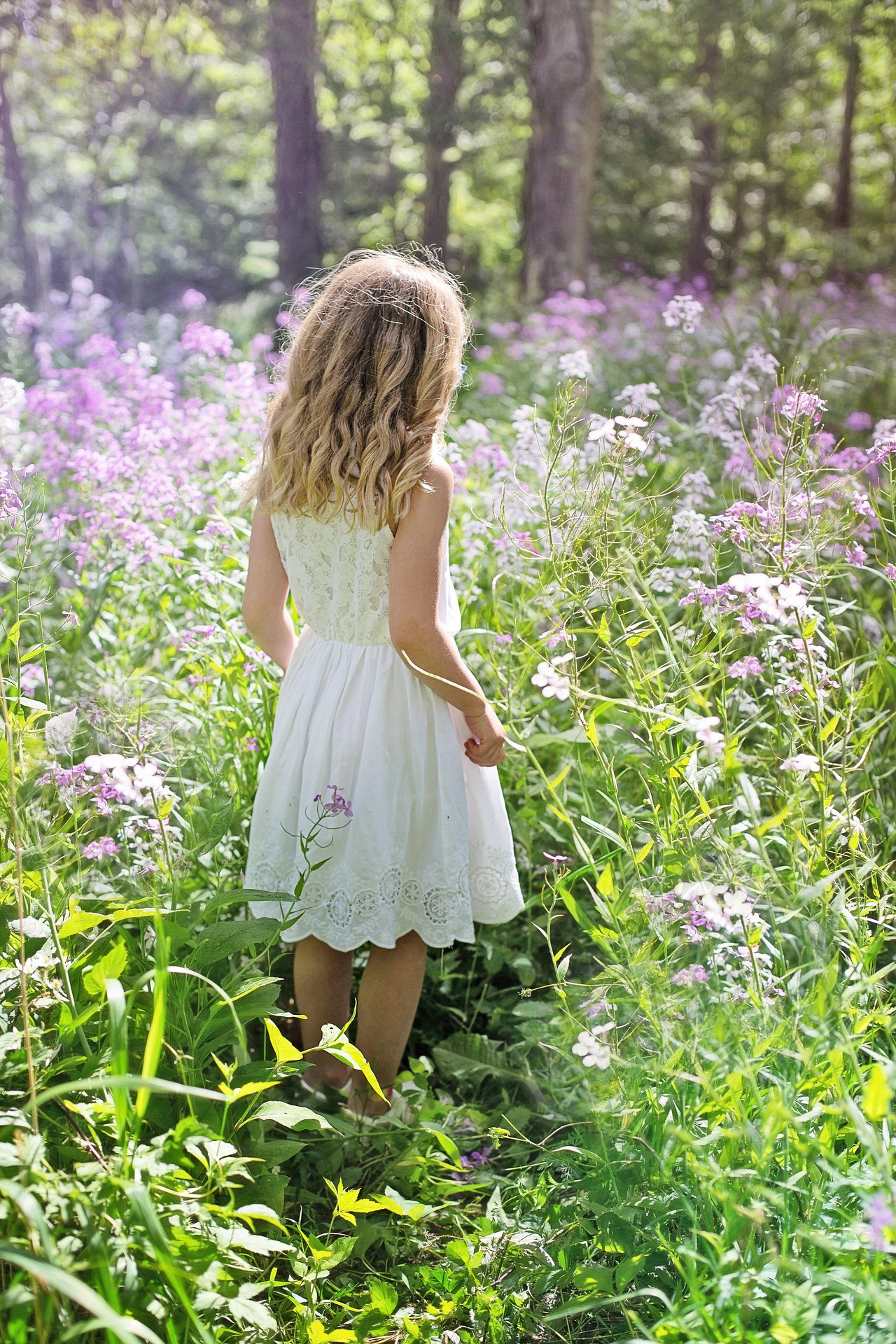
We have a full homestead, but this kind of journaling works in a backyard, a community garden plot, or even a few containers on an apartment balcony. The observation skills, the math, the writing — none of it requires acreage. A tomato plant in a pot teaches the same plant life cycle as a full garden row. A dandelion in a crack in the sidewalk is worth observing.
The goal is paying attention to the living world outside, whatever version of that is available.
A Journal That’s Already Set Up for K-5
If you want a ready-made structure for this, my K-5 Homeschool Science Backyard Nature & Garden Journal has 15 printable pages covering seasonal observation, scavenger hunts, plant life cycle tracking, garden math, and open journal pages for anything else they want to record. Print it, staple it, hand it to them and head outside.
Get the Nature & Garden Journal →
We also have a Homestead Math Workbook for grades 3-6 that extends the kitchen and garden math into a full printable workbook — real problems, real context, no fake word problems about trains.