Homeschool Economics for High Schoolers: Teaching Real Business Math With a Cottage Food Unit
Most high school economics curriculum teaches personal finance and theory. Useful, but abstract. What I wanted for my own kid was something where they could see the math working in real life, with a real thing they might actually do. A cottage food business turns out to be a nearly perfect vehicle for that.
Here’s why it works as an economics unit, and what you actually need to know before you start selling anything.
Cottage Food Law Is Real Law, and Teens Can Learn It
Every state has cottage food laws that govern what home food producers can legally sell, to whom, in what quantities, and with what labeling. Ohio’s laws are reasonably clear — there are specific sections of the Ohio Revised Code that cover exactly this. Reading and understanding actual legal text is a skill that a lot of high schoolers never get to practice, and cottage food law is a genuinely accessible starting point because the stakes are understandable and the language isn’t as dense as most legal writing.
Learning that you can sell jam at a farmers market but not ship it across state lines, or that certain foods require a separate license, or that your label has to include specific disclaimer language — these are real things that matter if you’re actually going to do this. They’re also real things that teach how law and commerce interact.
The Math Is Real Too
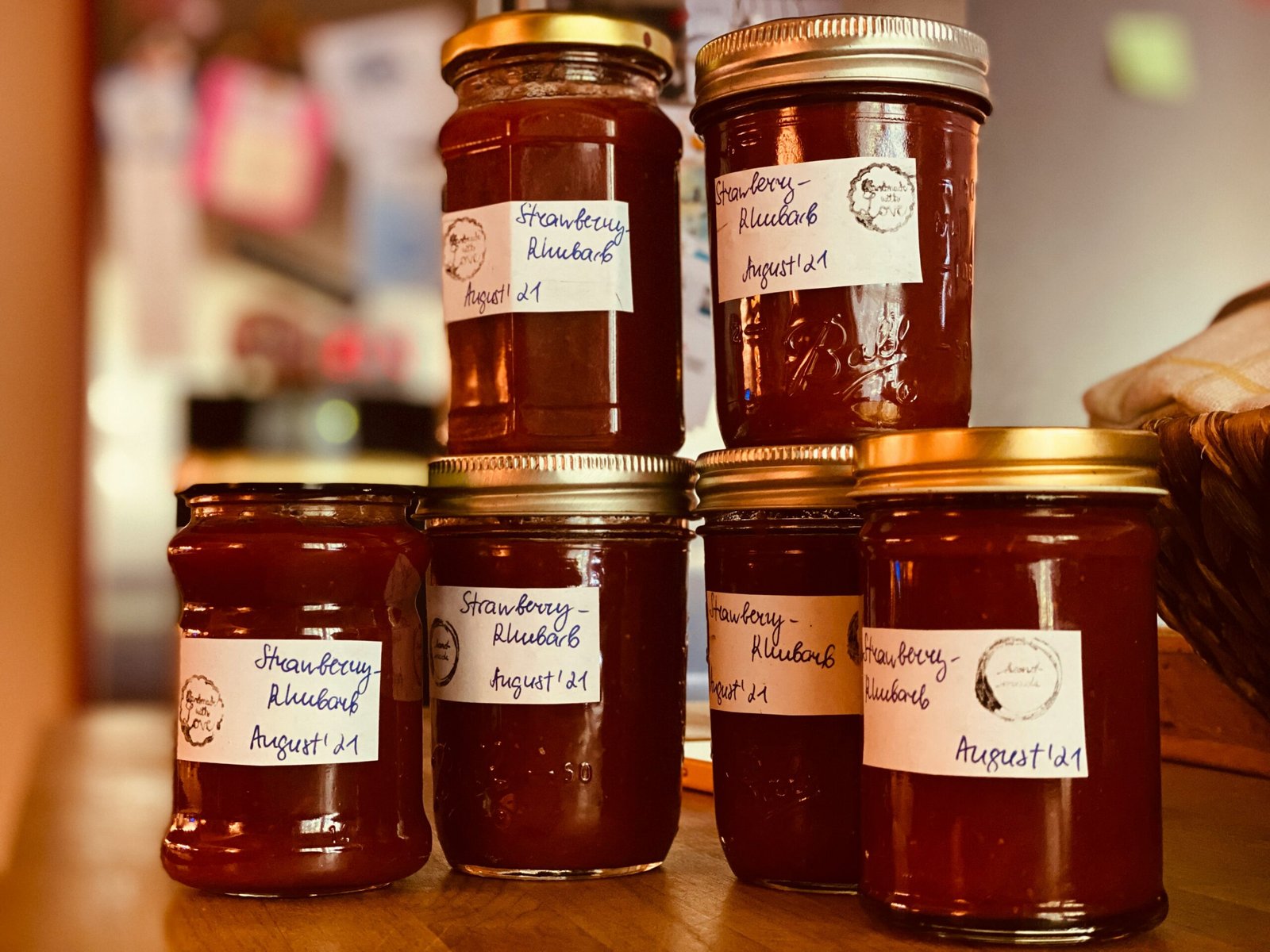
Cost-per-unit calculation is not complicated, but most adults who sell food at markets have never done it formally. You add up the ingredient cost, the packaging, the proportional share of the equipment and overhead, and divide by the number of units the batch produces. That gives you what it actually costs to make one jar of strawberry jam, which tells you whether your pricing makes any sense.
Break-even analysis takes that a step further: how many units do you have to sell before you’ve covered your batch costs? If a batch of jam costs $29.40 in materials and packaging and you’re selling jars for $7, you need to sell at least five jars before you’ve broken even — and that’s before you’ve paid yourself anything for your time.
These concepts — cost-plus pricing, markup, break-even — are things a teen can genuinely understand and apply to something they’re interested in doing. That makes the math meaningful in a way that textbook problems usually aren’t.
Label Design Is a Capstone That Connects Everything
Designing a compliant food label requires pulling together several things at once: the legal requirements for what must be on the label, the cost-per-unit number (so you can price it correctly), some sense of who’s buying it and why, and basic design judgment about what makes something look like it’s worth what you’re charging. That’s economics, law, and design thinking in one project.
The required elements under Ohio law are specific — product name, ingredients in order of predominance, net weight, producer name and address, allergen statement if applicable, and the required disclaimer language. Getting all of those right on an actual label design is a more interesting exercise than filling out a worksheet.
This Is Where the Series Connects
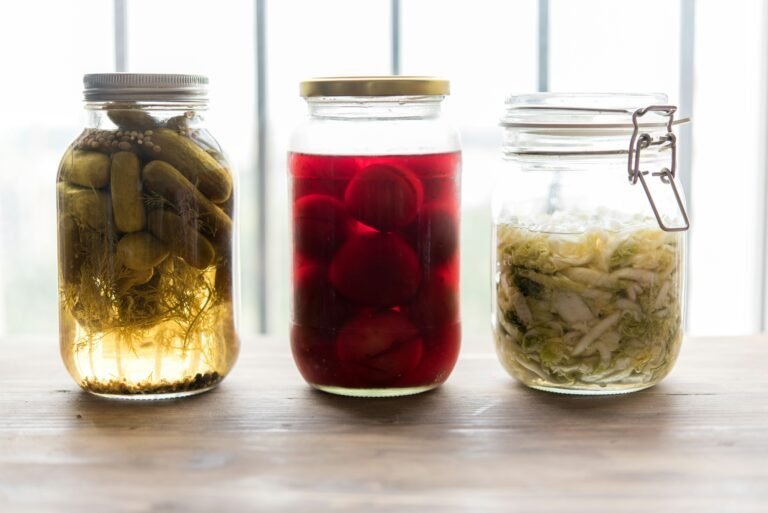
If a student has done the Homestead Math Workbook in grades 3-6 and the Fermentation & Food Preservation Unit Study in grades 6-8, the cottage food business unit is a natural capstone. The math from the workbook, the food science from the fermentation unit, and the business and law content from this unit build on each other in a way that feels like a coherent sequence rather than a collection of unrelated subjects.
That’s genuinely rare in homeschool curriculum.
A Full Unit That’s Already Built
My Grades 9-12 Mini Cottage Food Business Unit covers Ohio law with state comparisons, labeling requirements, cost-per-unit math, break-even analysis, a capstone label design project, and an annotated answer key — 19 printable pages. The legal content is verified against current Ohio Revised Code text.
Get the Mini Cottage Food Business Unit →
Interested in actually starting a cottage food business yourself? The same math and legal framework applies — read Buying in Bulk Without Wasting Money for the pantry side of running a food business from home.