Canning Salsa: What You Can and Can’t Change in the Recipe
Salsa is one of the most-canned things in August and September, and it’s also one of the most misunderstood from a safety standpoint. Not because it’s complicated — the process itself is simple — but because the recipe modification rules are stricter than most people realize, and a lot of popular blog recipes skip the safety piece entirely.
Here’s what you actually need to know.
Why Salsa Safety Is Different From Most Canning
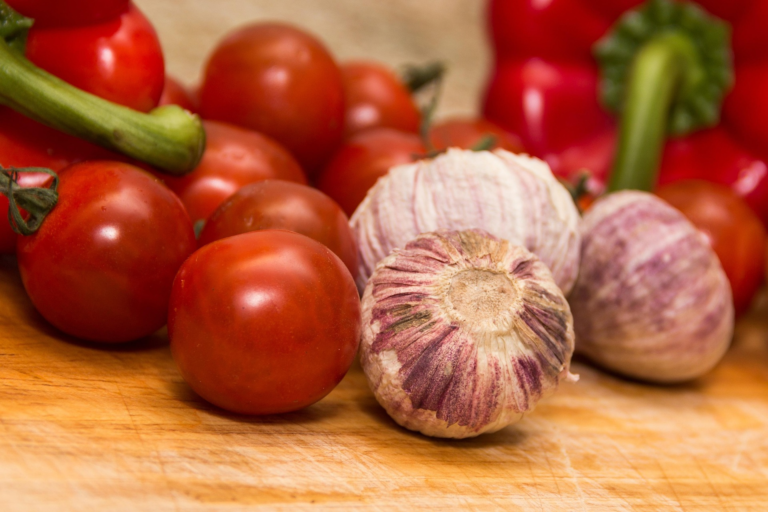
Salsa mixes high-acid ingredients (tomatoes) with low-acid ingredients (onions, peppers, garlic). The ratio of those two groups determines whether the finished product is acidic enough for safe water bath canning. Change that ratio in the wrong direction and you end up with a salsa that looks, smells, and tastes fine but may not be safe.
A University of Maine study examined 56 salsa recipes from food blogs and found that 70 percent of the recipes did not include USDA home canning guidelines for acidification, thermal processing, contaminants, and vacuum sealing. Most home canning problems stem from following untested recipes — and salsa is where this is most common.
The Acid Requirement: Non-Negotiable
Because the acidity level of tomatoes varies greatly, acid must be added to produce a safe salsa. Use commercially bottled lemon or lime juice or 5 percent acidity vinegar.
This isn’t about flavor — it’s about making sure the pH of the finished salsa is low enough that water bath canning is actually safe. You must add acid to canned salsas because the natural acidity may not be high enough.
Use bottled, not fresh. Fresh lemon or lime juice has variable acidity depending on the fruit. Bottled juice is standardized. This is one of those cases where the specific form matters for safety, not convenience.
Don’t reduce the acid. The amounts of lemon juice or vinegar in a tested recipe are calculated for the specific volume and ratio of ingredients in that recipe. Cutting them back to reduce tartness makes the salsa potentially unsafe. You can add a small amount of sugar to offset the tartness without affecting safety — but you can’t remove the acid.
What You Can Change
The rules for salsa modification are more specific than most canning modifications. Here’s what’s actually permitted:
You can substitute lemon or lime juice for vinegar in a recipe that calls for vinegar, measure for measure. Citrus juice is more acidic than vinegar, so swapping it in is always safe. Do not substitute vinegar for lemon juice — this will result in a less acid and potentially unsafe salsa. The substitution only goes one direction safely.
You can swap one type of pepper for another in equal amounts — hot peppers for sweet, or sweet for hot — as long as the total volume stays the same.
You can swap peppers for onions or onions for peppers in equal amounts. The total amount of low-acid vegetables is what matters, not which specific ones you use.
You can adjust dried spices and herbs freely. More cumin, less cilantro, added garlic powder — these don’t affect acidity or safety.
You can reduce (but not increase) the amount of low-acid vegetables. Less onion or fewer peppers than the recipe calls for is always safer. More is not.
What You Cannot Change
You cannot increase the amount of low-acid vegetables beyond what the tested recipe specifies. This means no extra onions, no extra peppers, no extra garlic beyond what the recipe calls for. Do not increase the volume of low-acid foods or add other ingredients such as corn or beans. Do not add the leftover portion of onion or pepper to avoid waste — that could be just the amount of low-acid food that lowers the acidity to a dangerous level.
You cannot add ingredients the recipe doesn’t include — especially corn, black beans, or other low-acid additions that are common in fresh salsa but not safe in a canned version. These lower the acidity of the finished product.
You cannot use thickeners before canning. No cornstarch, flour, or extra tomato paste beyond what the recipe specifies. You can thicken the salsa when you are ready to serve it if desired, but not before it goes in the jar.
You cannot drain juice from the tomatoes before adding them to the recipe. The juice is part of the acid balance calculation.
Finding a Tested Recipe
The USDA Complete Guide to Home Canning includes one tested salsa recipe. Utah State University Extension has developed several more through research, including a guideline recipe that allows more flexibility in the pepper and onion combination while maintaining safe acidification. These are the sources worth using rather than Pinterest recipes or family recipes that haven’t been tested.
If you want to use your own family salsa recipe, the right move is to freeze it rather than can it. Freezing has no acid requirements, no tested recipe requirements, and produces a perfectly good salsa that can last 12-18 months in the freezer.
Process in Pints Only
Tested salsa recipes are developed for pint jars. There are only USDA-tested salsa recipes and processes for boiling water canning — there are no tested pressure-canning processes for salsa. Quart jars of salsa are not a tested format, so stick with pints.
The Pantry You Actually Want
A summer’s worth of salsa properly canned is genuinely satisfying — good quality tomatoes, the right amount of heat, ready to open any time of year. My Home Canning for Beginners Guide covers the full water bath process so the technique is solid before you tackle salsa season.
Get the Home Canning for Beginners Guide →
Thinking about fermenting your salsa instead of canning it? Read Why I Stopped Canning My Salsa for a different approach entirely.