Buying in Bulk: What’s Actually Worth It (And What’s Just Expensive Waste)
I buy a lot of things in bulk. Flour, sugar, dried beans, oats — I keep five-gallon buckets of most of these in my basement. But I’ve also made the mistake of buying things in bulk that I absolutely should not have bought in bulk, and ending up with food that went bad before we got through it. The savings are real when you do it right. The waste is real when you don’t.
Here’s how I actually think about it.
The Only Question That Really Matters Before You Buy
Will my household realistically use all of this before it goes bad?
Not “could we use it” or “we should probably use more of it.” Will we actually use it, given how we cook and eat right now? That question filters out most bad bulk purchases before they happen. Everything else is secondary.
What’s Actually Worth Buying in Bulk
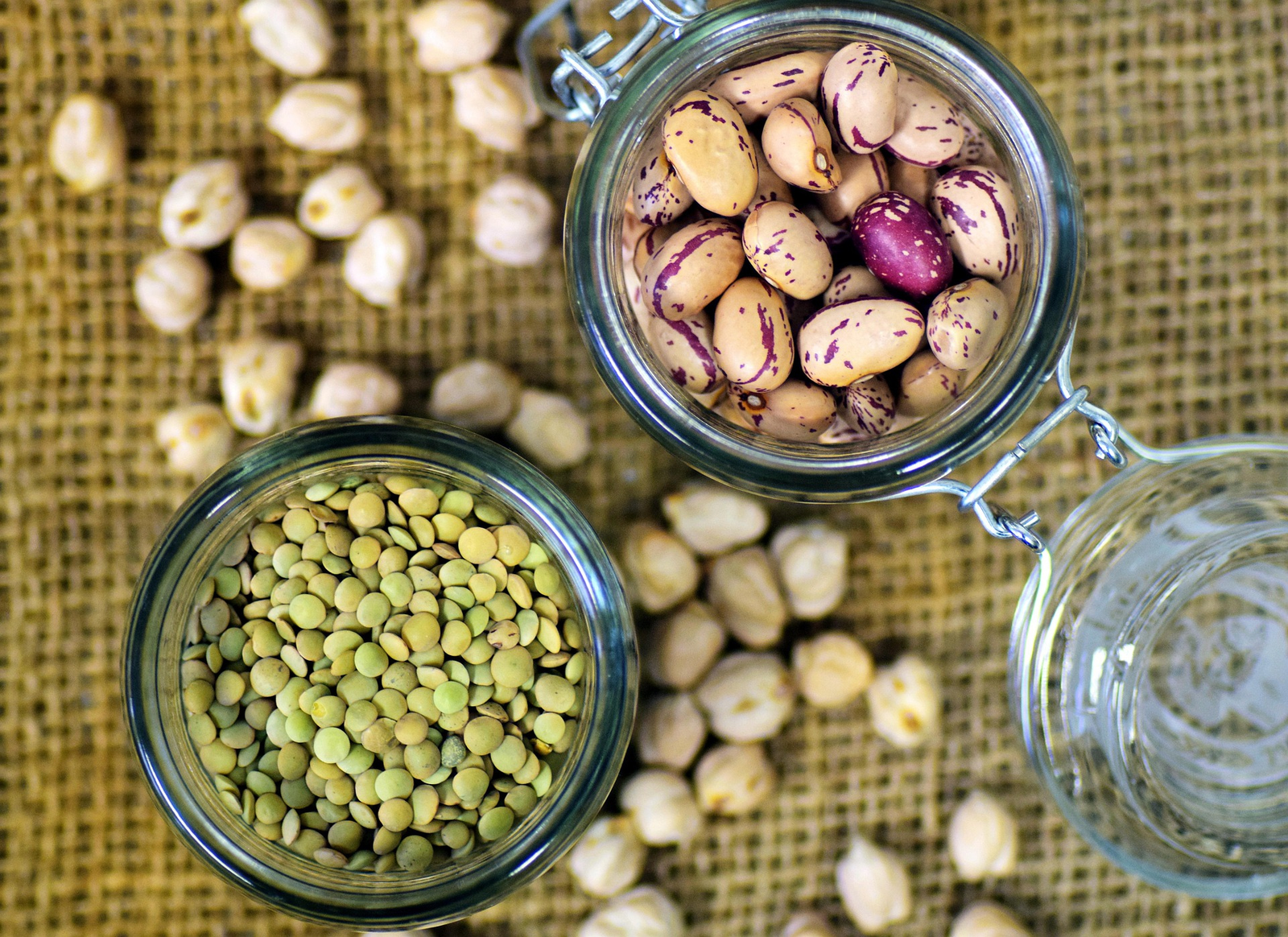
Staples you go through constantly. White rice, dried beans, oats, pasta — things that are genuinely shelf-stable for a long time and that you cook with week in and week out. These are where bulk buying makes the most financial sense because you know you’ll use them, and they hold up in proper storage.
Things you can freeze if you overbuy. Bulk meat purchases work well when you have the freezer space, because you’re not relying on the food lasting indefinitely at room temperature — you’re extending its life through the freezer.
Anything you use exactly the same way every time. If you go through the same oil, the same vinegar, the same specific spice in the same quantities regularly, buying more of it at once is a genuine time and money saver.
What Gets People Into Trouble
Whole grain flours, nuts, and seeds. These have natural oils that go rancid faster than most people expect — sometimes within a few months at room temperature. If you buy these in bulk and store them in the pantry, you’ll often end up throwing a lot away. The fridge or freezer extends their life significantly; room-temperature storage for large quantities usually doesn’t work.
Dried fruit and anything with natural sugars. These attract pests and can develop moisture issues with temperature swings, making them less stable in bulk quantities than their “shelf-stable” reputation suggests.
Specialty spices you use occasionally, not constantly. Spices lose potency over time regardless of quantity, so a giant bulk bag of something you use a teaspoon of twice a year is rarely worth it — you’ll be measuring out fading flavor from the same bag for years.
Anything you’re buying in bulk “just in case.” Bulk buying works for predictable, steady use. It doesn’t work as a hedge against an uncertain future need, since that’s exactly the scenario where food sits unused until it spoils.
Storage Is Half the Equation
Buying smart in bulk only pays off if storage actually protects the food afterward. A few practices make the real difference:
Transfer to airtight containers immediately. The bag or packaging bulk food comes in is rarely built for long-term storage — glass jars, food-grade buckets, or vacuum-sealed bags protect against air, moisture, and pests far better than the original packaging.
Keep light-sensitive items out of direct light. Whole grain flours, nuts, and seeds degrade faster when exposed to light, not just air — opaque containers matter more than people expect for these specific items.
Label everything with the purchase date. This single habit prevents the most common bulk-buying failure: forgetting what you have and how long it’s been there. A label takes ten seconds and saves you from finding a mystery bag of something at the back of the pantry a year later.
Practice first-in, first-out. When you restock, move older bulk inventory to the front and new purchases to the back. This sounds obvious but is the single most overlooked habit in home pantry management — without it, the newest purchase gets used first simply because it’s easiest to reach, and the older stock quietly ages past its prime.
Match storage conditions to the food. Cool, dry, dark conditions work for most dry goods. Oils, nuts, and whole grains specifically benefit from refrigeration or freezing despite feeling like “pantry” items — treating them the same as rice or pasta is a common mistake that shortens their usable life considerably.
A Simple Filter Before Any Bulk Purchase
Before buying anything in bulk, ask three questions: Will we realistically use this entire quantity before it degrades? Do we have proper storage to protect it once it’s home? Is the per-unit savings actually meaningful, or is it marginal once you account for the upfront cost and storage effort?
If the answer to all three is genuinely yes, it’s a good bulk purchase. If any answer is shaky, it’s usually better to buy a smaller quantity at a slightly higher per-unit cost than to gamble on using up a bulk quantity that might go to waste.
Track What You’ve Got Before It Goes Bad
The single biggest lever in making bulk buying actually save money isn’t the purchase decision — it’s knowing what’s already in your pantry so you use it before it turns. A system for tracking what you bought, when, and how much is left turns bulk buying from a gamble into a genuine budget tool.
My Bulk Buyer’s Pantry Planner gives you exactly that — tracking sheets to log what you’ve bought, audit what’s on hand, and plan around it so nothing gets forgotten in the back of a cabinet.
Get the Bulk Buyer’s Pantry Planner →
Once your bulk staples are home, knowing how to store them long-term matters just as much as the purchase itself. Read How to Store Root Vegetables All Winter for more on long-term food storage fundamentals.