Canning Pickles: Dill, Bread and Butter, and What Makes Them Safe
Pickles are one of the most forgiving things you can water bath can — as long as you understand what actually makes them safe to process that way. The answer is vinegar, and specifically the right kind in the right amount. Everything else about a pickle recipe is mostly negotiable. The vinegar isn’t.
Here’s what you need to know before your first batch.
Why Pickles Are Safe to Water Bath
Cucumbers are a low-acid vegetable. On their own, they can’t be safely water bathed — they’d need a pressure canner, same as any other low-acid food. What changes the picture is vinegar. The acid in the pickling brine drops the pH of the finished product below 4.6, making it safe for water bath processing.
This is the entire reason pickles are pickles. The vinegar isn’t just for flavor — it’s what makes canning them in a water bath safe.
The Vinegar Rule: Non-Negotiable
Recipes from the USDA Complete Guide to Home Canning and the National Center for Home Food Preservation are tested using vinegar diluted to 5%. The 5% acidity level is what the tested processing times are calculated for. Use vinegar that’s clearly labeled 5% acidity — standard white vinegar and standard apple cider vinegar are both typically 5%, but check the label rather than assuming.
If you have used diluted vinegar of 4% acidity or less in home canning, throw out those canned foods. Some vinegars sold for other purposes run lower — don’t use them for canning.
Don’t dilute the vinegar more than the recipe specifies. Pickle recipes that call for a specific ratio of vinegar to water are calibrated for safe acidity at that ratio. Adding more water weakens the brine and can make the finished product unsafe.
Dill Pickles vs. Bread and Butter: What’s Actually Different
Both are cucumbers in an acidified brine, water bath processed. The difference is the brine composition and the flavor profile.
Dill pickles use a brine of vinegar, water, and salt, with dill (fresh or dried), garlic, and sometimes peppercorns or red pepper for heat. The flavor is sharp, tangy, and savory. Most tested dill pickle recipes use a 1:1 ratio of vinegar to water.
Bread and butter pickles add sugar to the brine, along with warm spices like mustard seed, celery seed, and turmeric. The result is sweet and tangy rather than purely sour. The vinegar still does the safety work — the sugar is for flavor, not preservation.
Both process for the same amount of time (typically 10 minutes for pints, adjusted for altitude) and follow the same water bath rules.
The Crisp Pickle Problem
Soft pickles are probably the most common first-batch disappointment. A few things help:
Cut off the blossom end. The blossom end of a cucumber contains enzymes that cause softening. Remove about 1/16 inch from that end before slicing. This one step makes a noticeable difference.
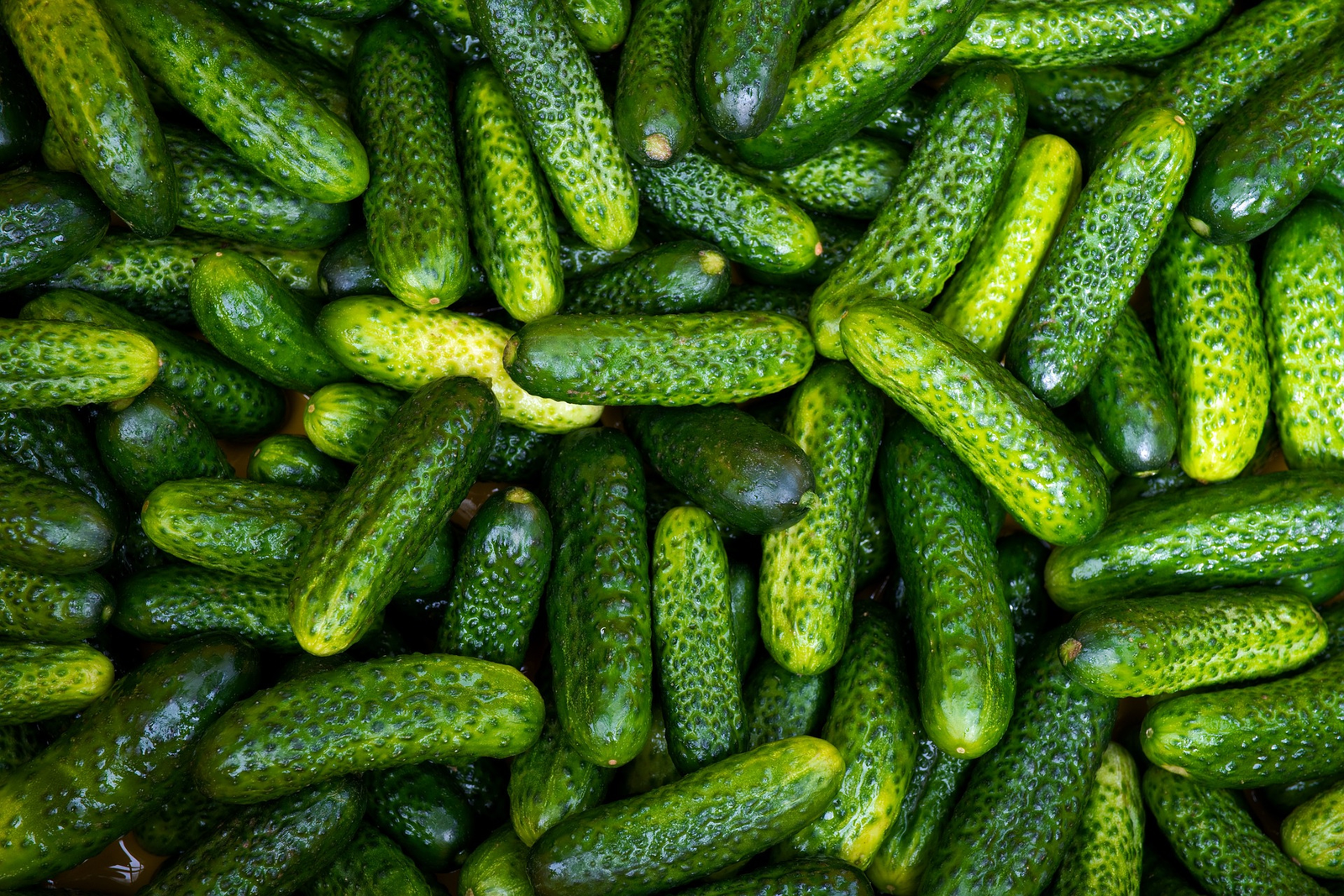
Use pickling cucumbers, not slicing cucumbers. Slicing cucumbers are bred for eating fresh — they have thinner skin and more water. Pickling cucumbers (Kirby and similar varieties) have thicker skin, less water, and hold their texture through processing much better.
Soak in ice water or salt before processing. Most tested pickle recipes call for salting sliced cucumbers (and sometimes onions) and letting them sit for several hours with ice before making the brine. This draws out excess moisture and helps the finished pickle stay firmer.
Don’t overcook the brine with the cucumbers in it. For recipes that call for heating the cucumbers in the brine before packing, cook just until the mixture returns to a boil. Prolonged cooking softens them before they ever get in the jar.
Let them rest. Pickles fresh out of the canner taste harsh and the texture isn’t what it will be. Give them at least a week in the jar before opening — four weeks is better. The flavor mellows and the texture improves significantly over that time.
What You Can and Can’t Change in a Pickle Recipe
You can: swap dill types (fresh for dried or vice versa), adjust garlic amounts, change spices like peppercorns or red pepper flakes, swap white vinegar for apple cider vinegar in equal amounts (same acidity, different flavor).
You can’t: reduce the vinegar, add extra water to the brine beyond what the recipe specifies, add low-acid vegetables that aren’t in the tested recipe in significant quantities.
The brine acidity is what makes the recipe safe. Anything that dilutes that acidity changes the safety profile.
Use Canning Salt, Not Table Salt
Canning or pickling salt is pure salt with no additives. Table salt and kosher salt often contain anti-caking agents or iodine, which can cloud the brine and affect the flavor and appearance of the finished pickle. It doesn’t make them unsafe, but canning salt produces a cleaner result. If you can only find table salt, use it — just know the brine may be slightly cloudy.
The Easy Pickles to Start With
If this is your first pickle batch, start with bread and butter pickles. The forgiving sweet brine makes minor errors less noticeable than they would be in a pure dill brine, and sweet pickles have broad appeal for sharing and gifting. Once you’ve got the process down, move to dill — the technique is identical, just a different brine composition.
The Complete Water Bath Reference
For the full water bath process and timing adjustments by altitude, my Home Canning for Beginners Guide covers everything you need to know before your first batch.
Get the Home Canning for Beginners Guide →
Want to try fermented pickles instead of canned? Read Sauerkraut, Kimchi, or Pickles: Where Should You Start? for a completely different approach.