What to Do When Everything Ripens at Once: A Canning Season Plan
The problem with a garden is that it doesn’t cooperate with your schedule. Tomatoes, cucumbers, beans, peppers — they all come in when they’re ready, and in a good year, they’re all ready at roughly the same time. If you’ve never canned through a big harvest before, the volume of produce that shows up in late July and August can feel genuinely overwhelming.
Here’s how I think about it.
The Most Important Rule: Can What Spoils Fastest First
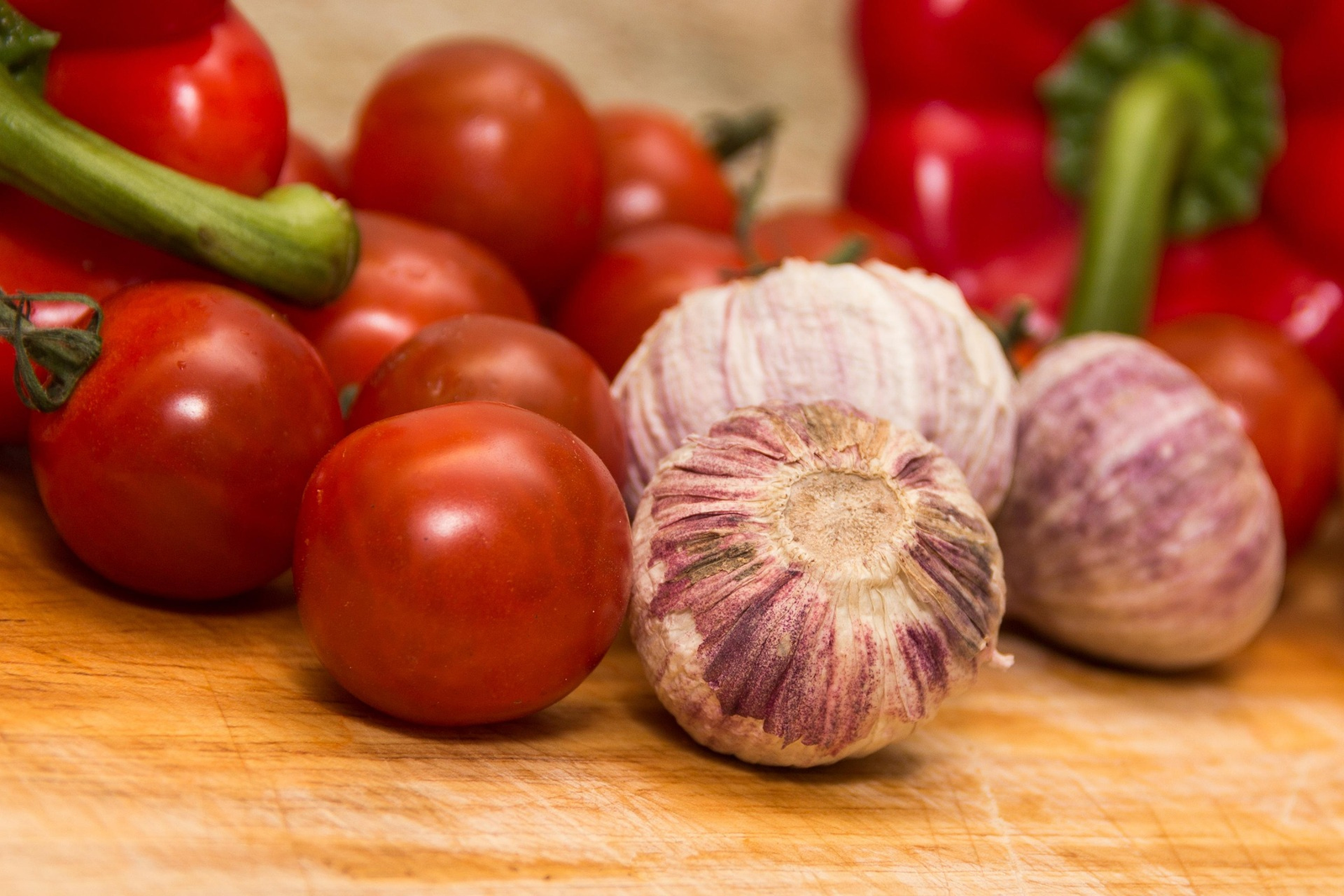
This sounds obvious, but it gets ignored constantly. Whatever is ripest, softest, or most likely to go bad in the next 24-48 hours gets processed first, regardless of what was on your original plan. A flat of overripe tomatoes waiting while you work through green beans is a flat of wasted tomatoes.
Rough order of “how fast will this go bad if I don’t deal with it”:
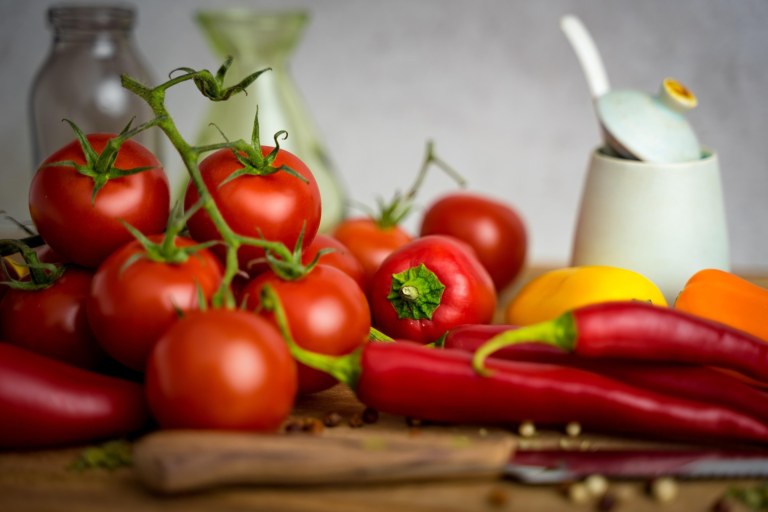
- Tomatoes, especially paste tomatoes at peak ripeness
- Cucumbers and summer squash
- Peaches, nectarines, soft fruit
- Green beans, corn, peppers
- Apples, pears, harder fruit
- Winter squash, onions, garlic (these can wait — don’t can them in a rush)
When you’re looking at a counter full of produce and don’t know where to start, default to this order.
Match Your Method to Your Produce
Not everything needs to be canned. Not everything should be canned. Knowing quickly which method fits which produce saves you from taking on more water bath or pressure canning than you have time for:
Water bath: tomatoes (with acid), jam and jelly, pickles, fruit preserves, salsa. Fast to set up, shorter processing times.
Pressure canning: green beans, corn, carrots, meat, broth. Requires more time and attention — don’t start a pressure canning batch if you can’t be home for a few hours.
Freezing: anything you don’t have time to can right now. Blanch and freeze green beans, corn, and summer squash. Freeze tomatoes whole and process them later in the winter when you have more time and the pressure is off. Freezing is never a wrong choice when you’re overwhelmed.
Dehydrating: herbs, peppers (sliced), tomatoes (into sun-dried style), apple rings. Let the dehydrator run while you sleep — it doesn’t need watching the way a canner does.
Batch Similar Things Together
Set up for one type of preservation at a time rather than trying to run the water bath, pressure canner, and dehydrator simultaneously while making salsa and jam on the side. That’s how mistakes happen.
Pick one thing, do all of it, clean up, then move to the next. You can overlap the dehydrator with almost anything since it runs unattended, but keep the canners to one at a time until you’re comfortable with the process.
You Don’t Have to Do It All in One Day
A canning season isn’t one long session — it’s a series of shorter ones spread across the weeks that each crop peaks. Tomatoes may peak over two to three weeks, not all on the same Tuesday. Work through what’s ready now, refrigerate or freeze what can wait a day or two, and come back to the rest.
The people who burn out on canning are usually the ones who try to do everything at once. A couple of hours on three evenings a week is more sustainable than an all-day Saturday that leaves you dreading the next batch.
The Products Worth Making More Of
Every season you’ll discover something that disappears fast and something that’s still on the shelf a year later. Pay attention to this. The green beans everyone reaches for constantly and the beets nobody touched tell you what to prioritize next year.
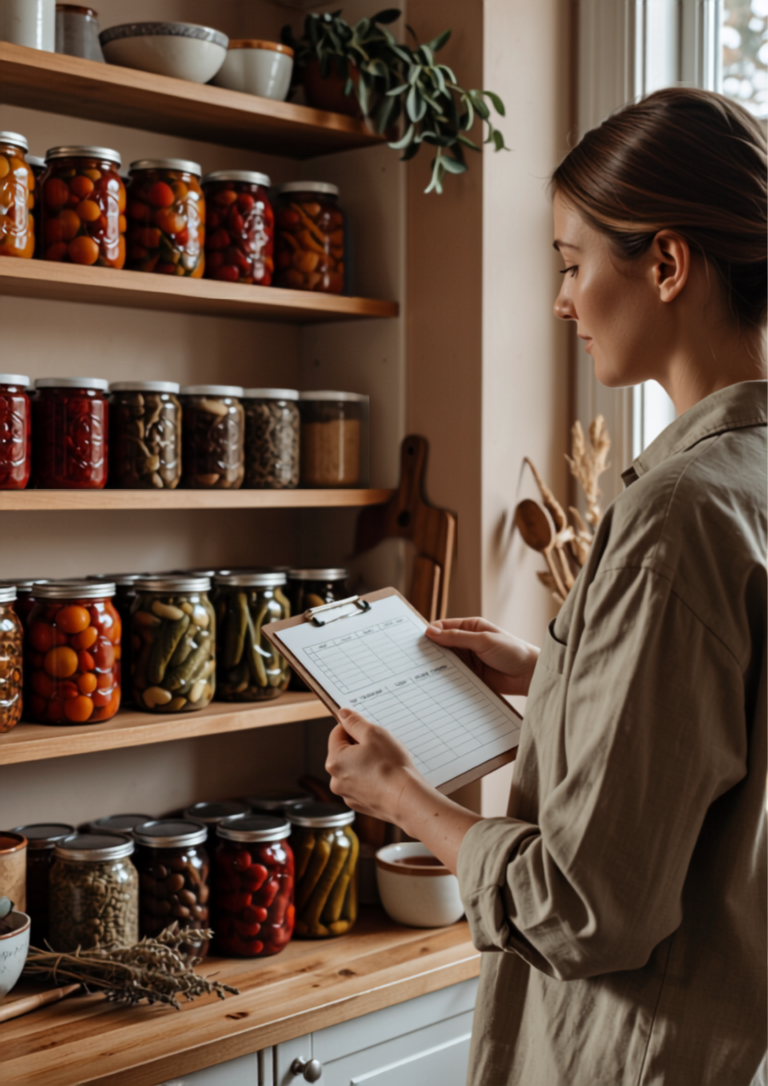
If you’re not tracking this, you’ll repeat the same mistakes — over-canning things nobody uses and running out of the things everyone wants in February. A canning log that includes how many jars you made and how many are left at the end of the season is genuinely useful planning information.
Stock Up on Supplies Before the Rush
Lids, vinegar, pectin, citric acid — all of these sell out in late July and August in most areas. If you know your canning season is coming, buy your supplies before the produce is ready, not the weekend you need them.
Track What You Put Up
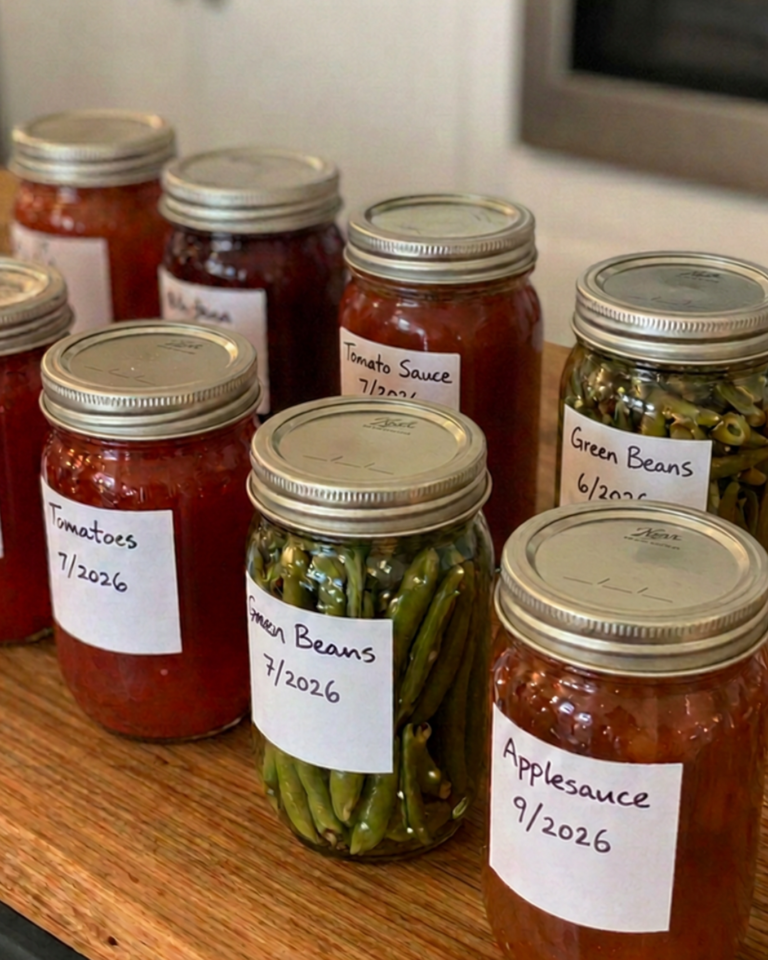
A simple batch log — what you made, how much, what date — is the single most useful thing you can add to your canning practice. At the end of the season you know exactly what’s in your pantry. During the winter you know what to reach for first. And next August you know whether you put up enough tomatoes or too many beets.
My Canning Journal & Batch Tracking Workbook is built around exactly this — a simple, structured way to log each batch so you’re not guessing at the end of the season.
Get the Canning Journal & Batch Tracking Workbook →
Not sure which preservation method to use for a specific food? Read Water Bath vs. Pressure Canning: Which One Do You Actually Need? for the fundamental rule.